Copper: The Shorter Story
The Earth has a lot of copper, which is good because we're going to need it. But we also need to get better at extracting it in environmentally safer ways.
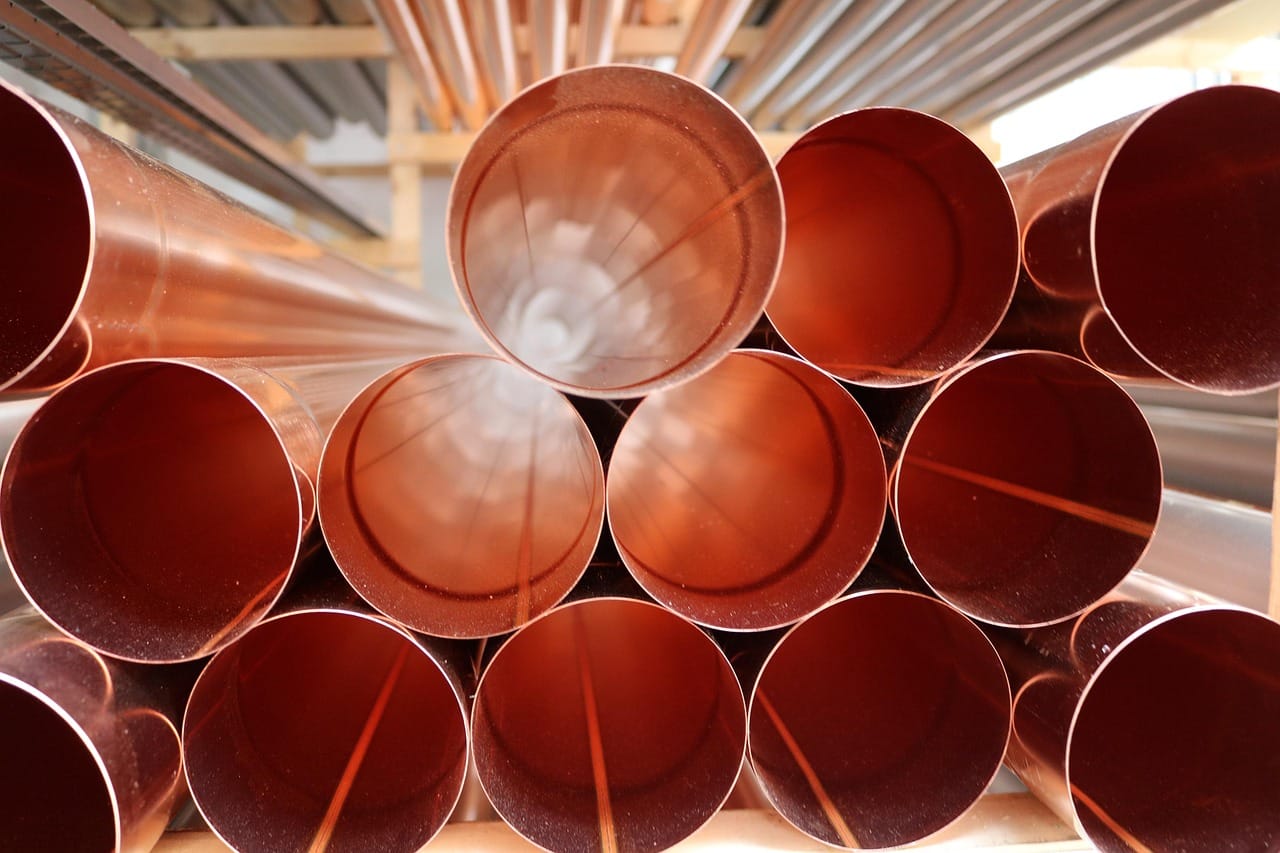
Copper: a very human thing
Copper and humans began a close relationship about 10,000 years ago. Since the stone age, we have used copper for everything from weapons,1 to tools, to ornaments, to health care.2
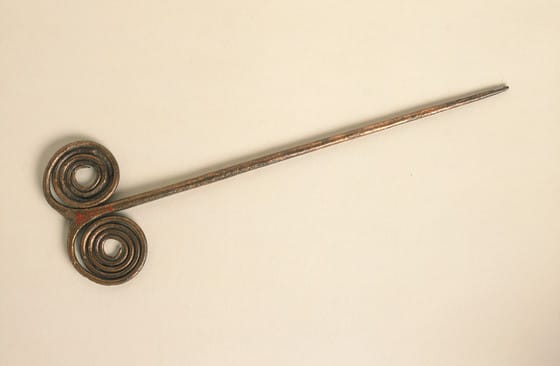
In a very real sense, it's been an "uplift metal" for humanity. Because copper is so easy to work but more durable than stone, copper tools replaced stone tools at the end of the stone age. The lovely metal was — and continues to be — prized as an artistic medium. But it's deeply practical, too: it was instrumental to the industrial revolution, and it is essential for the latest generations of microchips. You can see why it's been called the "soul of steampunk".
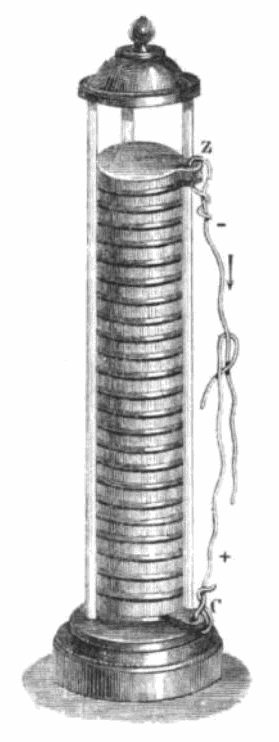
Copper will be part of the NEXT big uplift
We know carbon dioxide and methane emissions from global energy production are significant contributors to climate change. Many organizations, including 350.org, Eurelectric, and Project Drawdown advocate tactical climate solutions that more-or-less say "Step 1: De-carbonize power generation; Step 2: Electrify everything."3
This, as you might guess, is an oversimplification of complex and nuanced issues,4 but you wouldn't be wrong to notice that, no matter what, copper will become ever more critical to meet our shared climate goals and will be an enabler as we develop a more-benign, environmentally-neutral civilization.
We'll probably never manage to electrify everything, but we'll certainly continue to produce more and more electric devices and need more and more power in the ongoing drama of decarbonization and economic growth. Copper will undeniably play a starring role.
Copper is plentiful and recyclable
Since they started playing around with copper, humans have mined about 700 million metric tonnes of it. If you were to make a Borg cube out of that, it'd be about 430 metres on a side. Much more copper is still there for the assimilating: conservatively, as much as 5 billion metric tonnes.5, 6 That'd be a much much bigger cube.
Roughly two-thirds of that original 700 million tonnes of copper is still in use. Because copper is completely recyclable, we can keep it in use, even after whatever is made from it is broken or obsolete or abandoned.
We do a pretty decent job of that: every year, roughly one third of new copper demand is met by recycling. Innovative ways to recycle copper can help meet demand ... and can actually make money.7, 8 New developments in reclamation techniques give fantastic recovery levels: up to ninety-eight percent9, 10 of the copper we manage to get to recycling.
No matter how efficient our processes are, we still have a lot of room for improvement here: nearly half of our copper ends up in the landfill.6
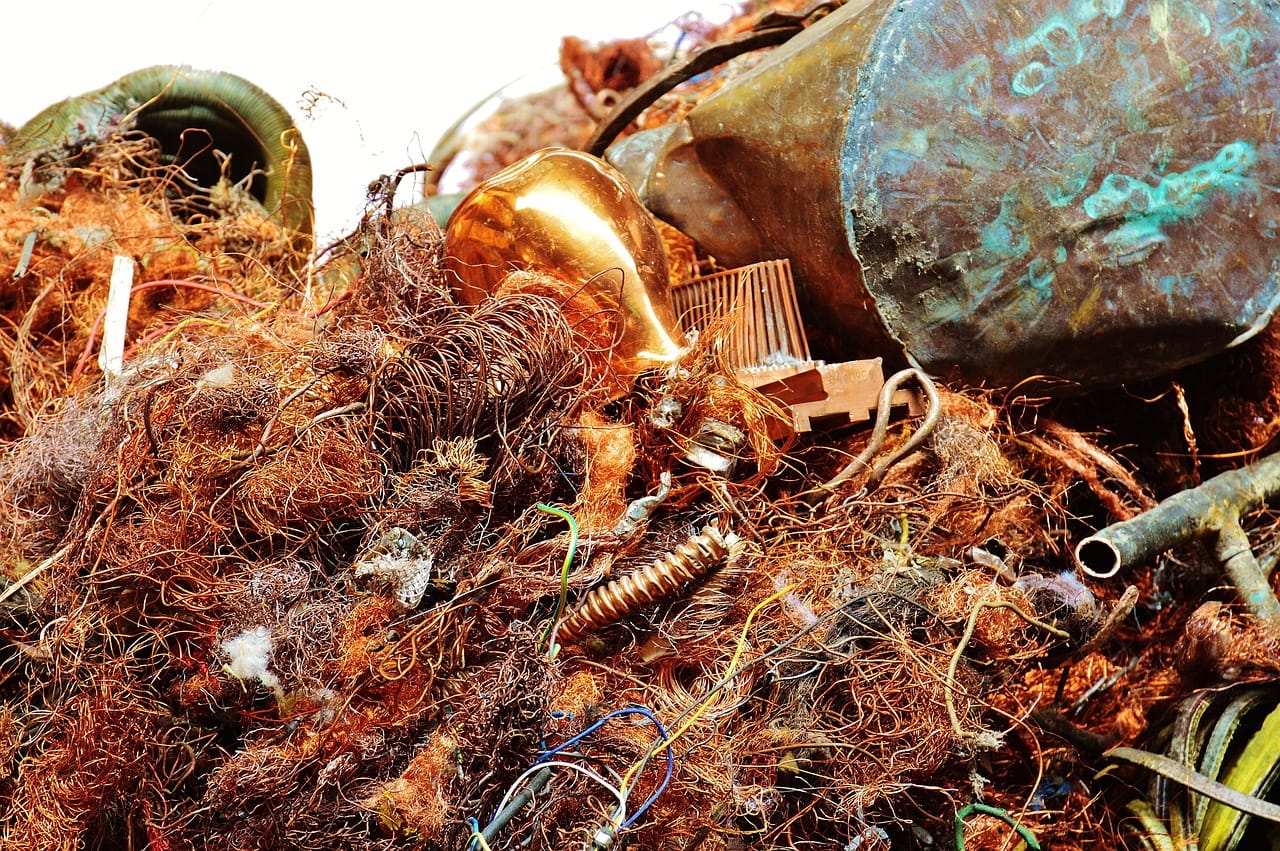
We always seem to need more
Our need for copper is so pressing that, even if we found a way to reclaim every discarded gram, we'd still need to continue mining more. Even a perfect circular economy would not be enough.
Copper mining must not only continue; it must expand if we are to support a growing population and global high standards of living at the same time as we curb our greenhouse gas emissions.
Copper mines have historically been environmentally destructive, with severe and lasting damage to ecosystems and local biomes, huge piles of tailings and toxic waste, and extremely high water use.
As with other industries, copper mining has begun work to lower operational carbon emissions by adopting alternative sources of energy.11 At the same time, copper mines are beginning to recycle water, reducing drawdowns on local aquifers. Novel hydrometallurgical methods have begun to increase yields, lower processing times, and constrain toxicity, while sustainable ways of handling water and "circular" extraction processes reduce reliance on conventional tailings methods.
Reading
- Premium. “Ötzi the Iceman: What We Know 3 Decades after His Discovery.” October 17, 2025. https://www.nationalgeographic.com/premium/article/otzi-the-iceman-what-we-know-3-decades-after-his-discovery.
- Polley, Mt. “The History of Copper.” Mount Polley, December 10, 2020. https://www.mountpolley.com/the-history-of-copper/.
- Zhou, Ryna, and Melissa Lott. “Electrification on the Path to Net Zero: A Comparison of Studies.” Center on Global Energy Policy, Columbia SIPA. Accessed November 15, 2025. https://www.energypolicy.
- Rapson, David, and James Bushnell. "The Electric Ceiling: Limits and Costs of Full Electrification." Energy Institute Working Paper 330, University of California, Berkeley, 2022.
- “How Much Copper Has Been Found in the World? | U.S. Geological Survey.” 2017. October 26. https://www.usgs.gov/faqs/how-much-copper-has-been-found-world.
- “Copper Demand and Long-Term Availability - International Copper Association.” Https://Internationalcopper.Org/, n.d. Accessed October 31, 2025. https://internationalcopper.org/sustainable-copper/about-copper/cu-demand-long-term-availability/.
- “Copper Recycling - International Copper Association.” n.d. Https://Internationalcopper.Org/. Accessed November 16, 2025. https://internationalcopper.org/resource/copper-recycling/.
- World Economic Forum. 2024. “Recycling Metals Can Help the Mining Industry Tackle E-Waste.” December 12. https://www.weforum.org/stories/2024/12/mining-s-new-frontier-developing-copper-recycling-for-a-more-sustainable-future/.
- “How Bioleaching Is Revolutionising Electronics Recycling - YouTube.” n.d. Accessed November 16, 2025. https://www.youtube.com/watch?v=kI_-uLk_HVg.
- Team, Okon. 2025. “Innovations in Copper Recovery: Revolutionizing Metal Recycling.” Okon Recycling, March 21. https://www.okonrecycling.com/industrial-scrap-metal-recycling/copper-recovery/innovations-in-copper-recovery/.
- Rabbani, Mohsen, Sima Nikfar, Seyedkamal Mousavinezhad, et al. 2025. “Sustainable Copper Mining: A Pathway to Emission Reduction through Renewable Energy.” Environmental Science: Advances 4 (7): 1035–44. https://doi.org/10.1039/D5VA00043B.
- Ali, Zeeshan, Nicholas Wilkes, Nadeem Raza, and Muhammad Omar. 2025. “Modified Hydrometallurgical Approach for the Beneficiation of Copper from Its Low-Grade Ore.” ACS Omega 10 (15): 14826–34. https://doi.org/10.1021/acsomega.4c09656.
- Adewuyi, Sefiu O., Angelina Anani, and Kray Luxbacher. 2024. “Advancing Sustainable and Circular Mining through Solid-Liquid Recovery of Mine Tailings.” Process Safety and Environmental Protection 189 (September): 31–46. https://doi.org/10.1016/j.psep.2024.06.086.